

Citysmile - Teen Orthodontics near Déli Railway Station
Adolescence is the best time for the majority of orthodontic treatments. Permanent teeth and jaws fully develop during this time. Appearance also plays a special role in the lives of young people. At our clinic, teens can enhance their smiles with comfortable and effective orthodontic appliances. We also ensure that orthodontic treatment fits as easily as possible into their daily lives.
When might teen orthodontics be necessary?
If teeth are crowded or have gaps
In cases of malocclusion (e.g., deep bite, open bite)
If the incisors protrude
If baby teeth do not fall out at the right time
If permanent teeth do not erupt on time
If the teen frequently breathes with an open mouth or snores
If the teenager has aesthetic concerns about her smile
-
If the teeth are crowded, it’s harder to keep them clean, which can lead to more frequent tooth decay and gum disease.
-
An irregular bite can make chewing more difficult, and the jaw joint may become overloaded.
-
Orthodontic treatment can also help breaking bad habits (such as mouth breathing), allowing the teeth and jaws to develop more healthily.
-
Protruding front teeth are also more prone to injury.
-
Teen orthodontics supports the normal development of the jaws.
-
If both the teeth and the jaw develop healthily, not only the teeth but the entire face will become more aesthetic.
What problems can be prevented with teen orthodontics?
Orthodontics can help teens feel more self-confident.
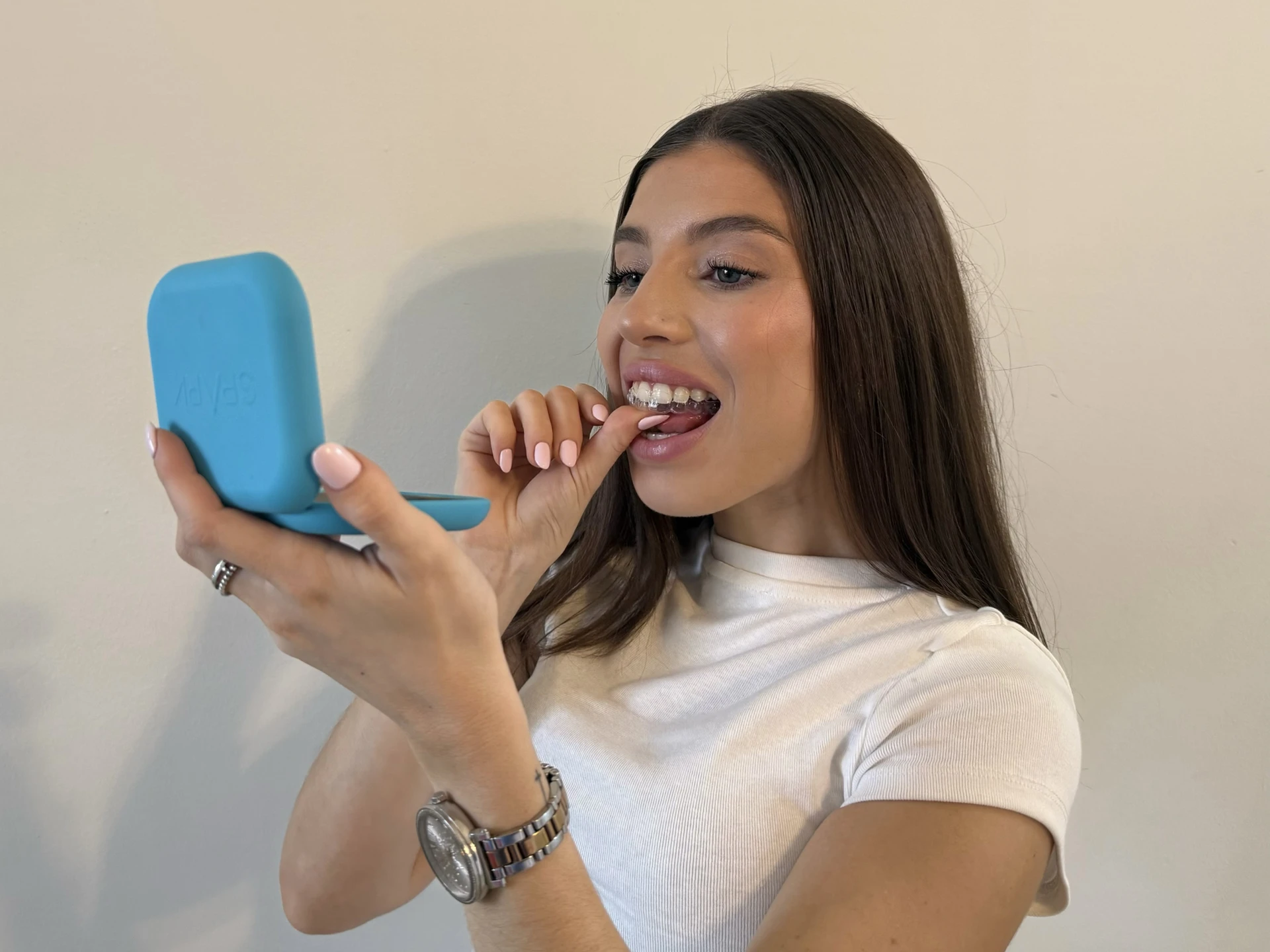
Orthodontic solutions for teens
Fixed braces
Active 24 hours a day, these appliances require less cooperation from teenagers.
Clear aligner therapy
Recommended for teenagers with high aesthetic expectations and good cooperation.
Trainers, myofunctional appliances
Removable appliances that help correct functional problems of the tongue and the muscles surrounding the mouth
Every teen is different, so treatment is always preceded by a thorough examination. At our clinic we use state-of-the-art equipment in our office, such as digital X-rays and scanners. Whether fixed or removable, we always choose the type of braces that best suits the teenager’s needs and lifestyle.


Fixed Braces: The Damon System
What are the benefits of the Damon system?
- The archwire is loosely attached to the brackets with a small sliding mechanism, allowing the teeth to move more easily into their correct positions.
- The special “memory” metal wires apply gentle, continuous forces, making the treatment more comfortable.
- Tooth extractions can often be avoided because the system allows for more effective arch expansion.
- Tooth movement is more precise, so treatment usually takes less time and requires fewer adjustments.
- Attention is given not only to the teeth but also to the overall harmony of the face.
- There’s no need for elastic ties, which makes the appliance easier to keep clean and prevents discoloration during treatment.

- Works with gentle forces
- More comfortable than traditional fixed braces
- Easier to keep clean than traditional fixed braces
- With the Damon Ultima system, more precise tooth movement and shorter treatment times can be achieved
- Works with gentle forces
- Barely noticeable and does not discolor during treatment
- More comfortable than traditional fixed braces
- Easier to keep clean than traditional fixed braces
Fixed metal braces
Fixed ceramic braces
Invisible Clear Aligner Therapy
Clear aligners are recommended for teenagers with high aesthetic expectations and good cooperation. The aligners are almost completely invisible. They are easily removable and do not interfere with eating or brushing. They are made of a special, medical-grade clear plastic. To achieve the desired results, they must be worn for 20-22 hours a day and must always be removed for eating and brushing.
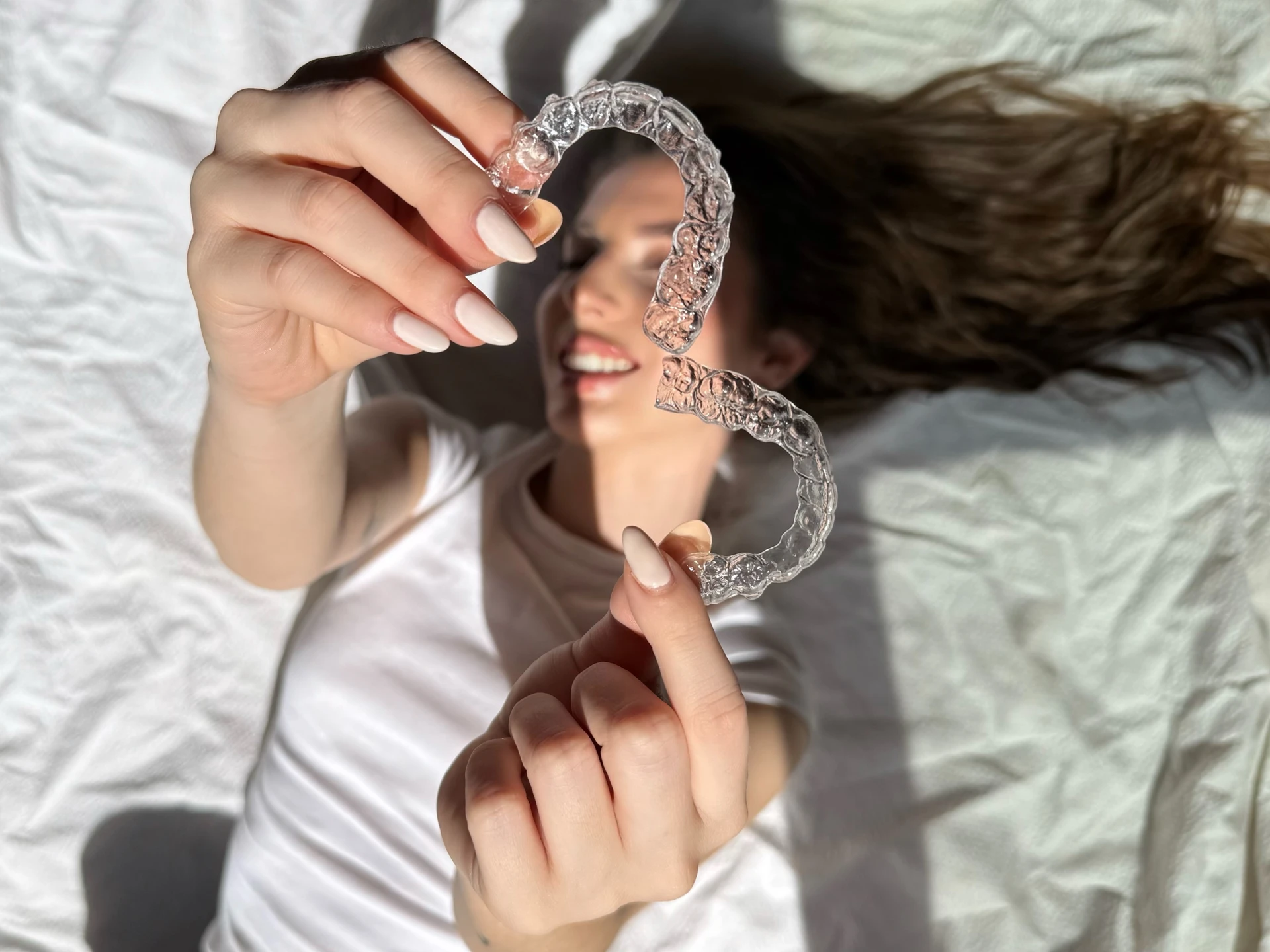
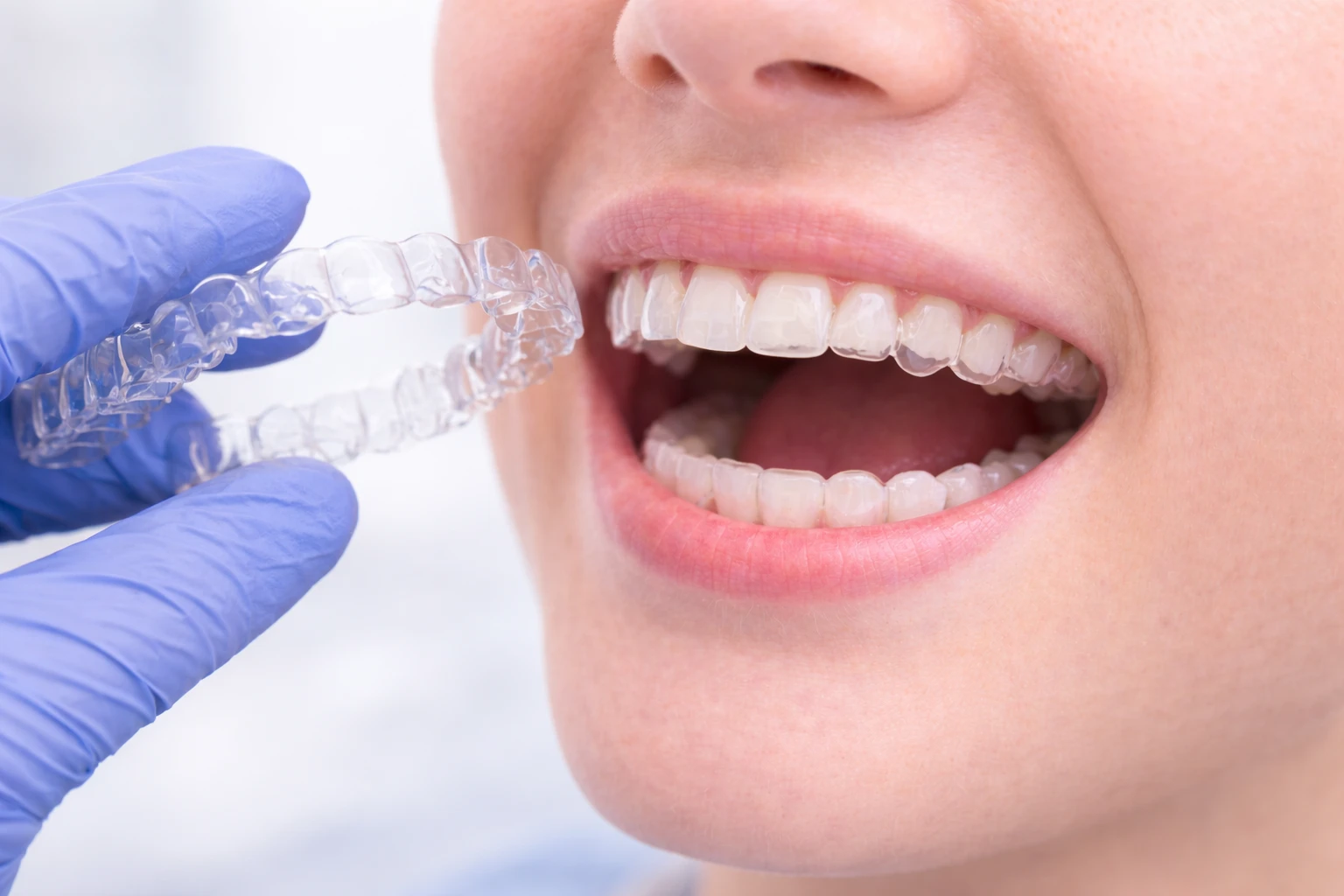
How are clear aligners made?
Based on a digital impression of the teeth, the dental laboratory designs the treatment plan using specialized computer software. It determines how many aligners are needed to achieve the desired result. Every detail of the 3D virtual treatment plan is reviewed with the patient. Once everything is confirmed and the patient approves the plan, the production of the invisible aligners begins.
Benefits:
- Almost completely invisible.
- Can be easily removed at any time.
- Easy to clean.
- Comfortable and precisely fitted to the teeth.
- Do not interfere with brushing.
- Noticeable results can often be achieved within just a few months.
How to wear the aligners?
To achieve the desired result, the aligners must be worn 20–22 hours a day. They should always be removed while eating and brushing.
Myofunctional appliances - trainers
To achieve a beautiful face and an attractive smile, simply straightening the teeth is often not enough. In many cases, functional issues with the tongue and the orofacial muscles are the underlying cause. These can be caused by factors such as insufficient chewing, improper swallowing, mouth breathing, or bad habits like thumb-sucking. If these issues are corrected in time with removable trainers and with the help of a speech therapist, the jaws will develop healthily and the teeth will align naturally.
Most common complaints in teen orthodontics
Bleeding gums
Often a sign of inadequate plaque removal.
Tooth sensitivity to cold and heat
It can be caused by tooth decay or exposed tooth necks.
Tooth tenderness when chewing
It occurs after the bonding or adjustment of the orthodontic appliance and usually subsides within a few days.
Cleaning difficulties
Cleaning around fixed appliances requires more time and attention.
Aesthetic concerns
It is important to young people that their braces do not interfere with their daily social interactions.

Why is oral hygiene important for teenagers?
Due to hormonal changes and the presence of orthodontic appliances, thorough brushing is extremely important for teens. Inadequate cleaning can easily lead to gum disease and tooth decay. At CitySmile, every patient receives a personalized hygiene kit, and we also help teach them the use of the specialized tools. We recommend professional dental hygiene treatment (scaling and polishing) every six months.
Frequently asked questions about teen orthodontics
Most treatments start between the ages of 11 and 15, when the permanent dentition has mostly developed, but the jawbones are still highly adaptable.
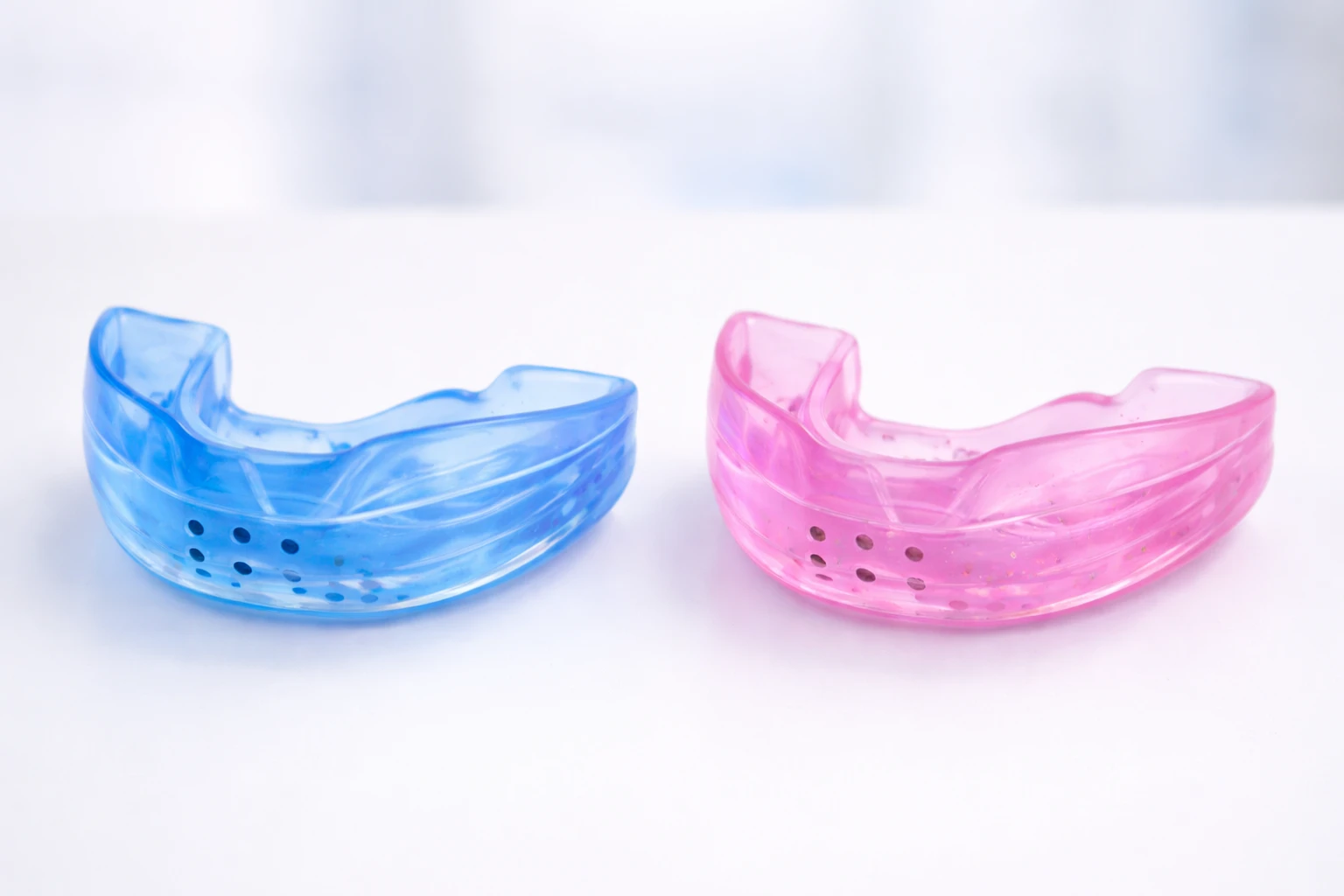
Fixed braces generally do not interfere with speech, although removable aligners may cause some discomfort for a few days during the initial period. For sports (especially contact sports), we recommend a special mouthguard designed for use with braces, which protects the teeth, the gums, and the appliance as well.
On average, it takes 1.5–2 years, but this also depends on the severity of the malocclusion and the patient’s cooperation.
Without good oral hygiene and regular check-ups, treatment can be prolonged, and cavities or gum inflammation may also develop.
The placement of braces is completely painless. After bonding or activation (for both fixed and removable appliances), a feeling of pressure may occur for two to three days, which then gradually disappears.
It usually takes about a week to get used to braces. During this time, teenagers learn how to brush properly with braces and how and what they can eat. After a fixed appliance is bonded, mild tension may be felt for two to three days, which later subsides.
Usually every 1-2 months. The frequency depends on the type of treatment chosen and which stage of the treatment you are currently in.
Clean it daily with a toothbrush. Once a week, dissolve an orthodontic cleaning tablet in a glass of water and soak the appliance in it for half an hour. When the device is not in your mouth, store it dry, preferably in an open box.
At the first visit, we discuss the teenager’s needs and expectations regarding orthodontic treatment. We examine the teeth and assess how they fit the facial profile. We also inform you about the possible treatment options.
We take X-rays and digital impressions (scans) of the teeth, as well as photos of the teeth and face. Based on these records, we create an individualized treatment plan.
Before orthodontic therapy, the teeth must be in good condition. In addition to scaling, any decayed teeth must be treated. We inform the patient about the necessary preparatory steps during the first consultation.
Fixed braces are bonded to the teeth, while removable appliances are delivered after the necessary adjustments. We provide comprehensive guidance on how to clean and wear the appliance and schedule the next follow-up visit.
It is very important to attend all recommended follow-up appointments. Orthodontic treatment is only safe and effective under consistent professional supervision.
When the desired result is achieved, the fixed appliance is removed.
After any orthodontic treatment, it is crucial to maintain the new tooth positions. To ensure this, we use removable or fixed retention appliances. After removing the braces, we take a digital impression for the removable retainer or bond a thin wire to the inner surface of the teeth for fixed retention. We then explain how and for how long the retainer should be worn, and how often follow-up visits are needed to preserve the treatment result in the long term.