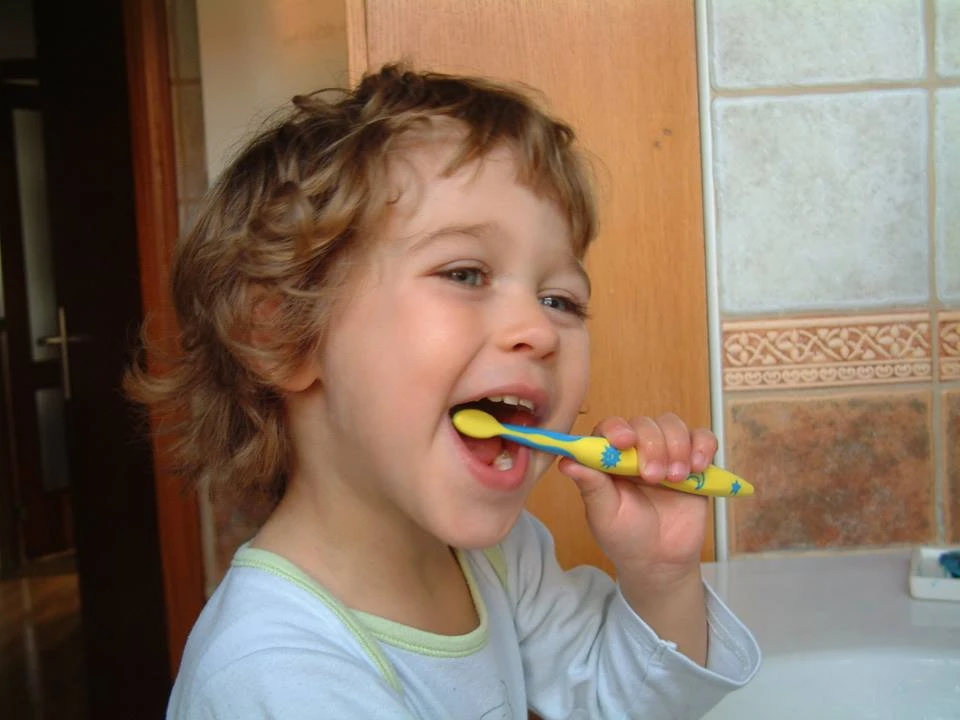

The first teeth usually appear in a baby’s mouth at around six months of age. In some cases, babies may even be born with a tooth, and there is no need to worry if a child still has no teeth at the age of one. For some children, parents barely notice the teething period and simply discover that the little teeth have already appeared. For others, however, teething can be a difficult time for the whole family.
What are the signs that your baby is teething?
Your baby’s gums may become red and swollen, and their cheeks may also appear flushed. Increased saliva production is common, and babies often chew on anything they can get their hands on. A mild rise in temperature may also occur, but high fever or diarrhea is usually caused by something else. Babies may become more irritable and may wake up more frequently during the night.
What can we do to help our baby cope with teething more easily?
You can give your baby a teething ring to chew on, which helps massage the gums and can distract them from the discomfort. If you use a cooling teething ring, follow the instructions regarding how long it should be cooled before use. Never place the teething ring in the freezer, as it may become too cold and hard and could harm the baby’s gums. A cold, damp flannel cloth can also be useful for this purpose.
You may also apply a sugar-free teething gel to your baby’s gums. Examples include Dentinox, which contains a mild local anaesthetic and anti-inflammatory chamomile extract, and Gengigel Baby, which contains hyaluronic acid (a natural substance found in connective tissue) that helps reduce swelling.
If these methods do not help, a pain-relieving medication may be given. Paediatricians often recommend Panadol Baby or Nurofen. However, be aware that Nurofen syrup contains sugar, which may contribute to tooth decay.
If your baby drools heavily, wipe their face frequently to prevent skin irritation. At night, you can place a cloth nappy under their head. Try to distract your baby as well—take them for a walk or play with them. A good game might help them forget about the discomfort for a while.
Finally, it is worth mentioning the amber teething necklace, which many people use. However, its effectiveness has never been scientifically proven. It may be attractive and harmless, but it certainly does not ease teething. Instead, try the well-established methods mentioned above—one of them will surely help your child as well.